Notifications
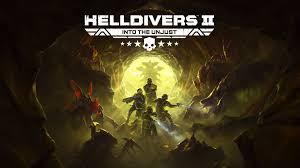
Helldivers 2 introduces a powerful and thought-provoking mechanic in its gameplay: allowing players to vote on which planets will be attacked by the "non-Death Star." While the decision may seem straightforward to some, it EZNPC brings with it a host of ethical questions. As players choose the fate of entire planets, they are forced to consider the moral implications of their actions. This decision-making mechanic adds an unexpected layer of depth to the game, challenging players not only as strategists but as ethical decision-makers in a galactic war.
At first glance, the voting system might seem like a simple tactical choice. After all, the "non-Death Star" is a weapon of immense power, capable of dealing catastrophic damage to a planet and its ecosystem. Players vote for a planet based on strategic value, enemy strength, or resource richness. However, as the player base continues to make these decisions, the moral weight of their choices becomes increasingly apparent.
The very concept of planetary destruction raises questions about the ethics of warfare. Should players prioritize winning at all costs, even if it means wiping out entire populations and ecosystems? Or should they take a more measured approach, carefully considering the long-term environmental and societal consequences of each attack? Some players might choose to target heavily fortified planets that present the greatest tactical advantage, without much regard for the collateral damage. Others, however, may feel a sense of responsibility to preserve planets that are rich in resources or home to vulnerable populations.
The voting system in Helldivers 2 doesn’t just challenge players in terms of gameplay—it also forces them to confront these moral dilemmas head-on. The decision to use the "non-Death Star" on a planet is never taken lightly. While the consequences of such actions are not always immediately visible, they ripple out over time. Planets that are destroyed may become inaccessible for future missions, and the aftermath of planetary bombardment could have lasting effects on the game's economy and resource distribution.
Furthermore, the concept of choice in Helldivers 2 is not purely about strategy. It’s also about the collective will of the player community. Since voting is done democratically, players must work together to reach a consensus on which planets to target. This cooperative decision-making process requires players to debate, negotiate, and, at times, compromise. The ethical dimensions of the vote are reflected in these discussions, as players weigh the pros and cons of each potential target.
The inclusion of this moral dilemma adds a level of complexity to Helldivers 2 that is often overlooked in other cooperative shooters. It transforms a simple vote into a deeply strategic and reflective choice. Players must consider not just the immediate tactical advantages of a planet but also the long-term consequences of their actions. This system ensures that Helldivers 2 is more than just a mindless shooter—it’s a game that asks players to think critically about their role in the war and the consequences of their decisions.
In conclusion, the voting system in Helldivers 2 is not just about gameplay mechanics—it’s a philosophical question about the nature of warfare, responsibility, and the value of life. As players vote to unleash the "non-Death Star" on various planets, they are forced to balance tactical advantages with ethical considerations, making the decision to attack a planet one that is fraught with moral complexity. This makes the game not just a battle for galactic dominance, but also a test of the player’s conscience.

Montagnards Social Network